
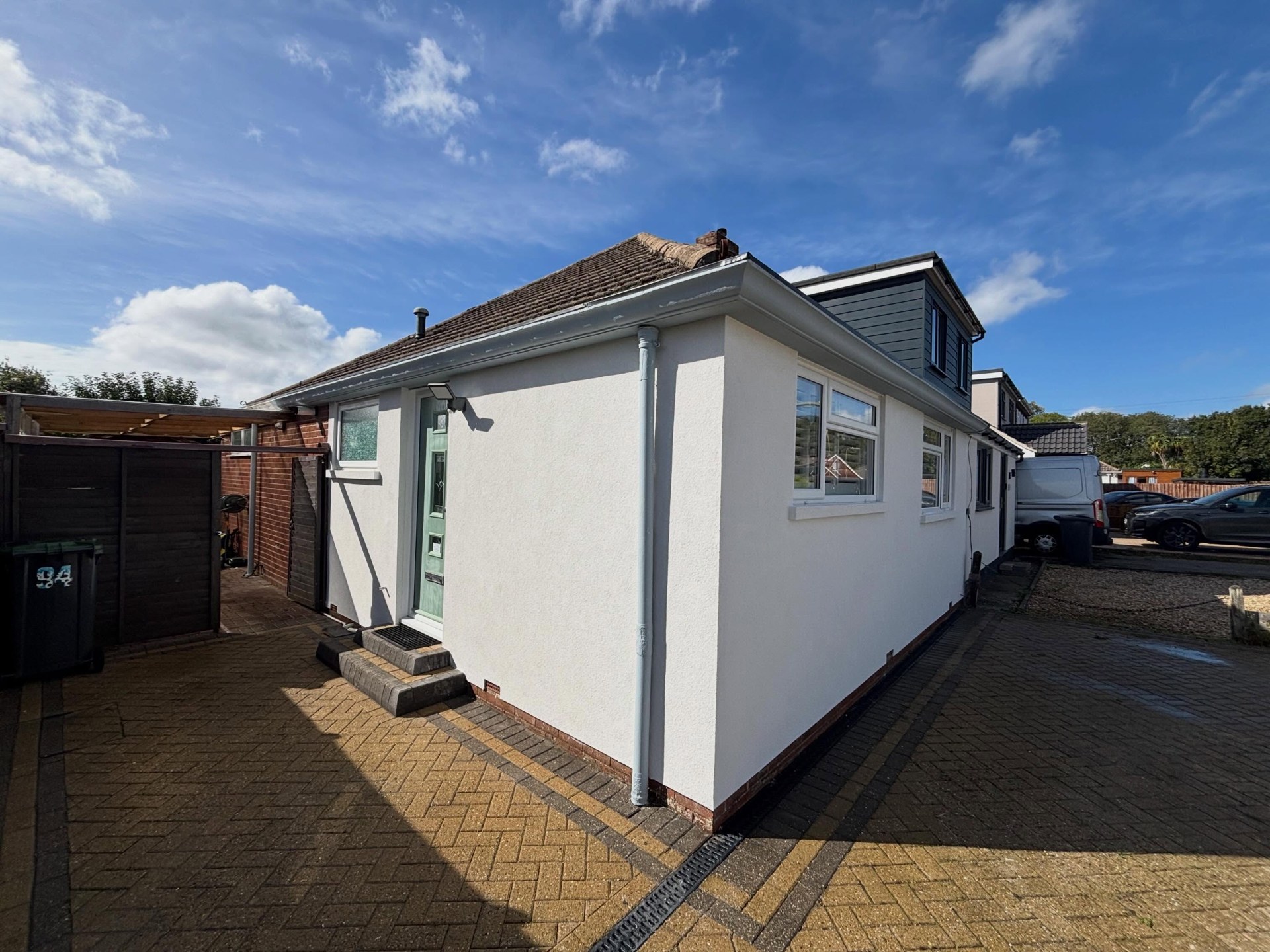
What is rendering?
Render is the protective coat on the outside of a building. Done properly it keeps rain out of the masonry, hides tired or mismatched brickwork and can completely change the character of a house. Done badly it cracks, stains and lets water in behind it, which is far harder to put right than the original job.
Hampshire homes face everything from salt-laden wind on the coast to damp, sheltered plots inland, so the right system matters as much as the workmanship. Ash Plastering applies traditional and modern render systems, with proper beading, mesh where it is needed and careful detailing around windows, sills and the base of the wall.
When you might need it
- Existing render is cracked, hollow or coming away in patches
- Brickwork is porous, spalling or patched in different colours
- You want to modernise a dated exterior or pebbledash
- An extension needs to match or refresh the main house
- Damp patches inside point to water getting through the outer wall
Render systems we apply
Sand and cement render
The traditional, robust choice. Applied in coats, finished smooth or textured and then painted with a breathable masonry paint. Well suited to repairs and to matching existing finishes.
Through-colour and monocouche render
A one-coat render with the colour mixed right through, so small knocks do not show a different colour underneath. Usually finished with a scraped texture and no painting needed.
Silicone thin coat render
A thin, flexible finish applied over a base coat and mesh. Silicone repels water and helps the wall stay cleaner for longer, which suits exposed and coastal properties.
Scrape-back render
A render that is applied, allowed to firm up and then scraped to open the surface, giving a fine, even texture and a crisp, modern look.
Render repairs
Cutting out blown or cracked sections, treating the background and patching in so the repair blends with the existing finish as closely as possible.
The Ash Plastering process
- 01
Survey
We check the condition of the wall, any existing render, damp signs and drainage, then recommend a system that suits the property and your budget.
- 02
Prepare
Loose render is removed, windows, doors and paths are protected, and stop beads, bell casts and corner beads are fixed for straight, clean edges.
- 03
Apply
Base coats and mesh where the system requires, then the finish coat, worked at the right time for the material and the weather.
- 04
Finish
Edges are cleaned, beads are left crisp and the site is cleared. We talk you through any painting or aftercare the system needs.
What affects the price
Every property is different, so we give a fixed, written quote after a free site visit rather than a guess over the phone. The main things that shape the cost are:
- The total wall area and the number of elevations
- The render system chosen and its finish
- Whether existing render or pebbledash needs removing first
- Scaffolding and access, especially on taller or tight sites
- The number of windows, doors and details to bead around
- Repairs needed to the masonry before rendering
Common problems it fixes
- Cracked, blown or bulging render
- Patchy, porous or stained brickwork
- Tired pebbledash and dated exteriors
- Water getting into walls through failed finishes
Not sure whether this is the right service? Send us a few photos and we will tell you honestly what your walls need.